
 More Products
 Compare









我的荣耀 开启荣耀之旅
What is a TF Card and SD Card? Upgrade Your Card Storage Today
In our era of digital data explosion, storage solutions are paramount. Two prominent contenders in this domain are TF cards and SD cards. These diminutive marvels have revolutionized the way we store and transport data. This blog post aims to shed light on what is a TF card and SD card, how they stack up against each other, their distinctions in size, storage capacity, speed, and cost, along with their pros and cons. Additionally, we'll explore their applications and delve into the intriguing world of using a TF card on a dual SIM phone.

Understanding TF Cards and SD Cards
In today's digital age, data storage devices are a necessity that we cannot do without. When it comes to portable data storage, TF Cards and SD Cards are two popular options that people often use.
What Is a TF Card
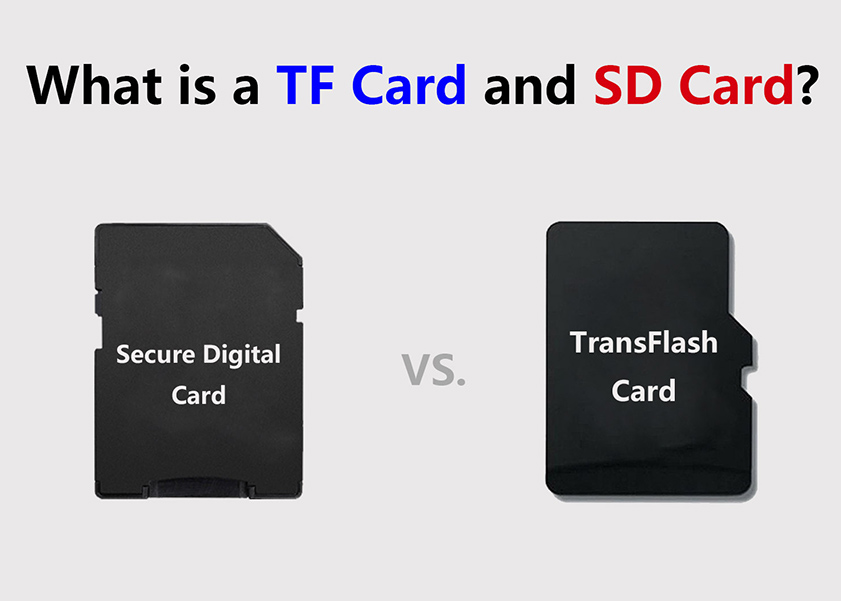
What does TF card mean?TF card stands for "TransFlash" card. It is a type of compact, removable storage media primarily used for storing and transferring data in various electronic devices. The term "TransFlash" was initially used to describe these cards when they were first introduced by SanDisk. Over time, the technology evolved and TF cards evolved into what is now commonly known as MicroSD cards. Despite the change in terminology, the underlying concept remains the same: TF cards, or MicroSD cards, provide a compact and versatile solution for expanding the storage capacity of various electronic devices.
What Is an SD Card
An SD card, which stands for "Secure Digital" card, is a type of compact and portable storage device used to store and transfer digital data in a wide range of electronic devices. These cards are designed to provide additional storage capacity for devices with limited internal memory. SD cards come in various sizes and formats, catering to different devices and applications.
The "Secure Digital" name reflects the technology's emphasis on data security and protection. SD cards use non-volatile memory technology, which means that data remains intact even when the power is turned off. This makes them reliable for storing important files, photos, videos, documents, and applications.
Differences between TF Card and SD Card
When it comes to choosing between a TF card and an SD card, there are several important factors to consider. These include size, storage capacity, speed, and cost. We will provide in-depth insights and facts about each of these factors to help you make informed decisions.
Size:
One of the most significant differences between TF and SD cards is their size. TF cards are considerably smaller, measuring just 15mm x 11mm x 1mm. Because TF card is originally a term for MicroSD card, there is no difference between a t flash card vs MicroSD, they are same in physical size. While SD cards measure 32mm x 24mm x 2.1mm. This makes the TF card an ideal option for smaller devices, like smartphones, that have limited physical space. However, this does come at the cost of slightly fewer storage capacities compared to their larger SD card counterparts.
Storage Capacity:
Both TF and SD cards come in a range of storage capacities, but TF cards tend to have a lower maximum capacity compared to SD cards. Currently, the highest storage capacity for a TF card is around 1TB, while SD cards can hold up to 2TB.
Speed:
Generally, SD cards have faster transfer speeds due to their larger size, which allows for more advanced technology to be used in the manufacturing process. This means that they can transfer large files much more quickly than TF cards. If you need to transfer large files quickly, an SD card may be the better option.
Cost:
Cost considerations vary depending on factors like brand, capacity, and speed. Generally, MicroSD cards might have a slight edge in terms of cost-effectiveness, while specialized SD cards designed for professional applications might be pricier.
Pros and Cons of TF Cards and SD Cards
Both TF Cards and SD Cards have their own set of advantages and drawbacks that should be carefully considered before making a final decision.
TF Cards:
1. Pros:
Compact and versatile, fitting into a wide range of devices.
High storage capacities for their size.
Compatible with a multitude of gadgets, from smartphones to cameras.
Generally cost-effective compared to other storage solutions.
2. Cons:
Smaller size can make them easier to misplace.
Slightly more fragile due to their size.
Might not offer the highest speed options for professional applications.
SD Cards:
1. Pros:
Diverse size options cater to various devices.
Some models offer higher data transfer speeds for demanding tasks.
Versatility in applications due to varying sizes.
Potentially more durable due to larger form factors.
2. Cons:
Larger size might limit usability in certain compact devices.
Can be more expensive than MicroSD cards with similar capacities.
Applications of TF Cards vs. SD Cards
Now let's take a closer look at the applications of TF cards vs SD cards and what makes each one unique.
TF Cards:
These cards serve the purpose of expanding the storage capacity of devices that have limited internal memory. TF cards are primarily used for:
Expanding storage on smartphones and tablets.
Storing multimedia content, such as photos, videos, and music.
Enhancing the functionality of action cameras and drones.
SD Cards:
SD cards, with their diverse size options, find applications in:
Professional photography and video equipment.
High-performance computing, including running operating systems.
Can You Use a TF Card on a Dual Sim Phone?
Many modern smartphones, including the HONOR 90(up to 512GB storage), offer hybrid SIM card slots that accommodate both SIM cards and TF cards. This means you can simultaneously enjoy dual SIM functionality while expanding your device's storage using a TF card. The HONOR exemplifies this trend, enabling users to harness the power of two SIM cards and a TF card concurrently.

Wrapping Up
There you have it – a tour of everything you need to know what is a TF Card and SD Card! Both cards stand as remarkable testaments to human innovation, addressing our insatiable appetite for data storage and mobility. While TF cards excel in compact versatility, SD cards offer diversity and specialized performance. Consider your needs, budget, and device compatibility when choosing between the two. The vibrant ecosystem of data storage solutions ensures that whether you're capturing memories on your smartphone or orchestrating a cinematic masterpiece, there's a card ready to rise to the occasion.
FAQs
Is a TF card the same as an SD card?
Yes, a TF card and an SD card are closely related, but they are not exactly the same. A TF card (TransFlash card) is the original name for what is now commonly known as a microSD card. Both are small removable memory cards designed for expanding storage in devices such as smartphones, tablets, cameras, and other portable electronics.
Today, most TF cards are compatible with microSD standards, while SD cards usually refer to the larger Secure Digital card format used in cameras, laptops, and other devices.
Can I put an SD card in a TF slot?
In most cases, you cannot insert a standard SD card into a TF card slot because SD cards are physically larger than TF cards. However, a TF card (microSD card) can often be used in devices that support microSD slots.
If your device has a TF card slot, it is designed specifically for smaller microSD-sized cards. Always check your device specifications before purchasing a memory card to ensure compatibility.
What is a TF card used for in a camera?
A TF card is used in cameras to store photos, videos, and other digital files. Because TF cards are compact and offer expandable storage, they are commonly used in small cameras, action cameras, drones, and security cameras.
When choosing a TF card for a camera, consider factors such as storage capacity, read/write speed, and video recording requirements. A high-speed TF card is recommended for recording high-resolution photos and videos smoothly.
What is the difference between a TF card and a microSD card?
A TF card and a microSD card are essentially the same type of memory card. TF card was the original name introduced when the technology was first developed, while microSD is the official name used under the SD Association standard today.
The size, shape, and general usage of TF cards and microSD cards are the same. Modern devices usually refer to these cards as microSD cards, especially smartphones, tablets, cameras, and gaming devices.
Can a TF card be used to expand phone storage?
Yes, a TF card (microSD card) can be used to expand storage on compatible smartphones. It allows users to store additional photos, videos, apps, and files without relying only on the phone’s internal storage.
Before purchasing a TF card for your phone, check whether your smartphone supports expandable storage and confirm the maximum supported card capacity.
Source: HONOR Club
Products Recommend

Latest Blogs
Subscribe For Updates - Special Offers And More.
I agree to receive the latest offers and information on HONOR products through email or IM (e.g. WhatsApp) provided below and advertisement on third-party platforms. I understand that I can unsubscribe anytime according to Chapter 6 of HONOR Platform Privacy Statement .
Consumer hotline

Tax ID/VAT Registration No. 311123479500003
Commercial Registration No. 1010754462
E-Commerce Authentication No. 0000093589