
 More Products
 Compare
Shop







我的荣耀 开启荣耀之旅
AMOLED vs IPS Display: Which One Should You Choose?
Table of Contents
Screens dominate our daily lives—whether it’s on a smartphone, laptop, TV, or smartwatch. The quality of that screen affects how you read, play, and even work. If you’ve ever compared two phones side by side, you’ve probably noticed how different they can look. That’s because of the display technology. Two of the most common types are AMOLED and IPS LCD, and choosing between them isn’t always easy. In this guide, we’ll explore the similarities, differences, and real-world advantages of each so you can make the right decision for your needs.
What Is AMOLED?
AMOLED stands for Active Matrix Organic Light Emitting Diode. Unlike traditional displays, each pixel in an AMOLED screen emits its own light. There’s no need for a backlight, which allows for deeper blacks and sharper contrast.
Key Characteristics:
● Perfect Blacks: Since pixels can turn off individually, black areas appear truly black.
● High Contrast Ratios: Vibrant colors and deeper shadows enhance movies and games.
● Flexible Design: Can be made thinner and bendable, ideal for foldable phones.
● Energy Efficiency (in dark mode): AMOLED uses less power when displaying black backgrounds.
What Is IPS LCD Technology?
IPS stands for In-Plane Switching, a type of LCD (Liquid Crystal Display). Unlike AMOLED, IPS relies on a backlight to illuminate pixels. The crystals rotate to control light and create colors.
Key Characteristics:
● Accurate Color Reproduction: Consistency across wide angles makes IPS reliable for designers.
● Better Lifespan: No burn-in issues like AMOLED.
● Brighter Whites: Since it uses a backlight, whites appear cleaner and more uniform.
● Durability: Generally more robust and less prone to screen damage.
Similarity of AMOLED vs IPS Display
Though often compared as rivals, these two technologies share some important similarities:
● Wide Viewing Angles: Both can be viewed from the side without major color shifts.
● Good Color Reproduction: While AMOLED is more saturated, IPS is more color-accurate.
● High Resolutions Supported: Both can achieve Full HD, 2K, and even 4K displays.
● Touch Integration: Both can support capacitive touchscreens for smartphones and tablets.
In short, both are modern, high-quality display technologies—but optimized for different user priorities.
What's the Difference Between IPS Screen vs AMOLED?
Here’s where things get interesting. Let’s break down the key differences that matter in real use.
Contrast & Blacks
IPS LCD panels use a backlight that is always active, which means black areas often appear dark gray rather than truly black. AMOLED displays can turn off pixels individually, resulting in perfect blacks and superior contrast. This makes AMOLED much better for movies and games where depth and shadow detail matter.
Color Vibrancy
IPS screens emphasize natural and accurate colors, which is why they’re a favorite among professionals who need true-to-life tones. AMOLED displays, however, boost saturation and vibrancy, giving content more visual punch. Some users love this boldness, while others may find it slightly unrealistic compared to IPS.
Power Consumption
An IPS display consumes the same amount of power no matter what is shown, since the backlight is always on. AMOLED is more efficient with dark themes because black pixels require no power. But the reverse is also true—displaying bright or white-heavy screens can drain more battery on AMOLED than IPS.
Durability
IPS LCD panels tend to last longer without issues. They don’t suffer from burn-in, which is when static images (like app icons or navigation bars) leave ghostly marks over time. AMOLED panels, while visually superior at first, are more prone to this type of wear, especially with heavy, long-term use.
Brightness & Sunlight Visibility
Under bright sunlight, IPS LCDs often perform better due to their strong backlighting. AMOLED can reach impressive peak brightness indoors, but outdoors, whites can appear slightly duller, which sometimes reduces readability. For outdoor-heavy users, IPS may be the more practical choice.
Thickness & Design
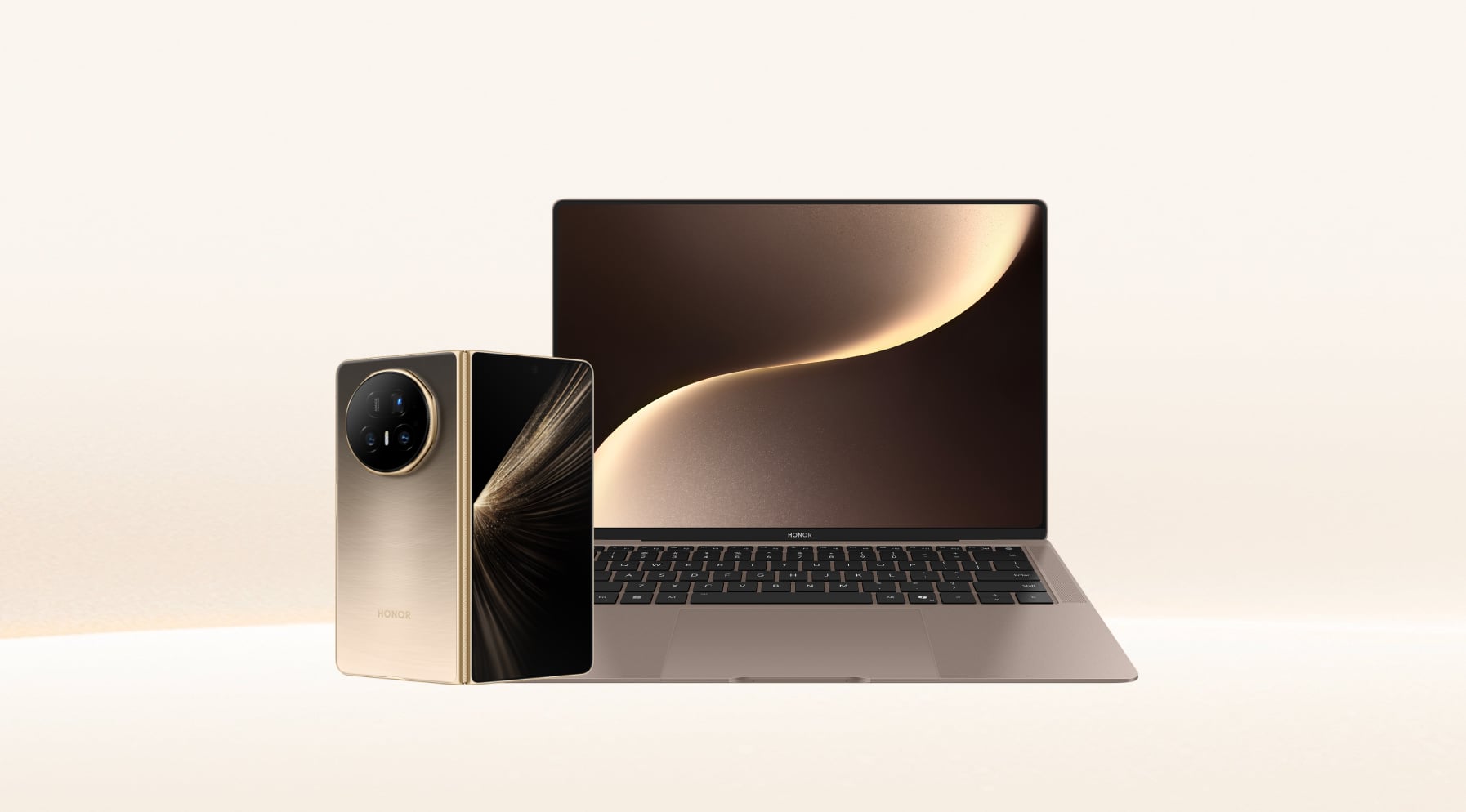
Since AMOLED doesn’t need a backlight, it allows for slimmer and even flexible screen designs. This makes it the go-to choice for modern, foldable devices. IPS, being thicker, is often found in monitors and laptops where ultra-thin designs aren’t as critical.
Cost
IPS is cheaper to manufacture, which makes it the standard for budget and mid-range devices. AMOLED panels are more costly, so they’re usually featured in premium phones and high-end gadgets.
Here’s a quick comparison table to give you an overview
|
Feature |
IPS LCD |
AMOLED |
|
Contrast & Blacks |
Backlight always on → grayish blacks |
Individual pixel lighting → true blacks |
|
Color Vibrancy |
Natural, accurate |
Punchy, saturated |
|
Power Consumption |
Constant backlight → more power |
Efficient in dark mode, higher in bright mode |
|
Durability |
Longer life, no burn-in |
Can suffer from burn-in over time |
|
Brightness |
Often brighter in direct sunlight |
Struggles outdoors despite HDR peak |
|
Thickness |
Slightly thicker |
Thinner, flexible designs possible |
|
Cost |
Cheaper to produce |
More expensive, premium devices |
IPS LCD vs AMOLED Display: Which Is Better?
The answer depends on how you use your device. Let’s evaluate based on real scenarios:
1. For Gaming
Winner: AMOLED
Fast response times, deep blacks, and higher refresh rates create a smoother, more immersive experience.
2. For Reading/Work
Winner: IPS
Less eye strain, natural color tone, and consistent brightness make IPS better for long reading or productivity
sessions.
3. For Outdoor Use
Winner: IPS (slightly)
AMOLED struggles in bright sunlight, while IPS LCD can maintain clearer whites.
4. For Longevity
Winner: IPS
No risk of burn-in, making it safer for devices used heavily over years.
5. For Entertainment
Winner: AMOLED
HDR, vibrant colors, and contrast make videos and movies pop.
Verdict: Neither is strictly “better”—it’s about matching the display to your lifestyle.
Conclusion
The AMOLED vs IPS display debate isn’t about finding a universal winner—it’s about understanding what matters most to you. If you crave cinematic visuals, deep blacks, and futuristic designs, AMOLED is hard to beat. But if you want reliability, durability, and accurate colors, IPS remains a strong contender.
At HONOR, we integrate both technologies across different models so every user can find the balance of performance, price, and display quality that fits their needs.
FAQs
Is IPS more durable than AMOLED?
Yes. IPS displays are generally more durable and less prone to issues like screen burn-in. They can last longer under heavy use, especially for devices kept for many years.
How strong is Super AMOLED?
Super AMOLED screens are strong in terms of visual performance—offering bright colors and deep blacks. However, they are still vulnerable to burn-in and can be more fragile compared to IPS in physical durability.
Does AMOLED last longer?
Not always. While AMOLED can look stunning for years, it may degrade faster due to burn-in and pixel wear. IPS LCD often outlasts AMOLED in terms of consistent long-term performance.
Which display type is better for sunlight visibility?
IPS usually performs better under direct sunlight due to its stronger backlight. AMOLED can struggle outdoors despite offering higher peak contrast indoors.
Is AMOLED better than IPS for gaming?
Yes. AMOLED offers faster response times, higher refresh rates, and more immersive visuals, making it the preferred choice for mobile gamers and media lovers.
Source: HONOR Club
Products Recommend

Latest Blogs
Subscribe For Updates - Special Offers And More.
I agree to receive the latest offers and information on HONOR products through email or IM (e.g. WhatsApp) provided below and advertisement on third-party platforms. I understand that I can unsubscribe anytime according to Chapter 6 of HONOR Platform Privacy Statement .
Consumer hotline

Tax ID/VAT Registration No. 311123479500003
Commercial Registration No. 1010754462
E-Commerce Authentication No. 0000093589