

 More Products
 Compare

















我的荣耀 开启荣耀之旅



 Disagree Terms
 Log out




What is ASPH on HONOR 20 PRO CAMERA


 Last reply :
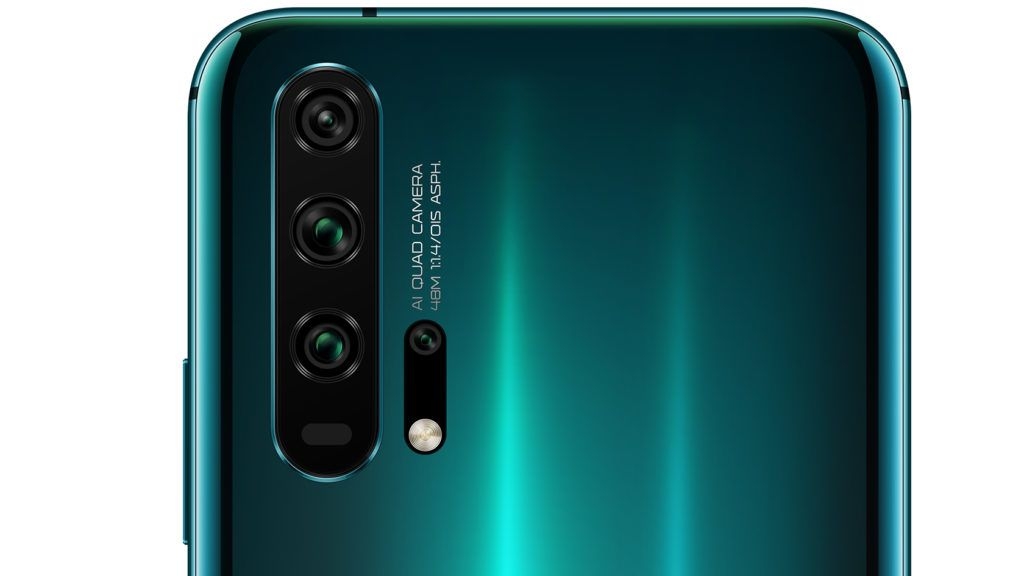
The aspherical lens element has helped to improve the optical quality of camera lenses in recent years. You may have seen ‘Asph’ or ‘Aspheric’ marked on a camera lens or in lens specifications. It’s now widely regarded as a mark of excellence. In a perfect world, all lenses would work like a pinhole camera lens. This would mean there would be no distortion, and focus would be uniform across the frame. However, pinhole lenses are completely impractical because they are very dark and you can’t use them to enjoy effects such as selective focus and blurring for creative effect. This is why a combination of glass lenses and lenses of other materials – including optical plastics – are used in modern camera lens designs.
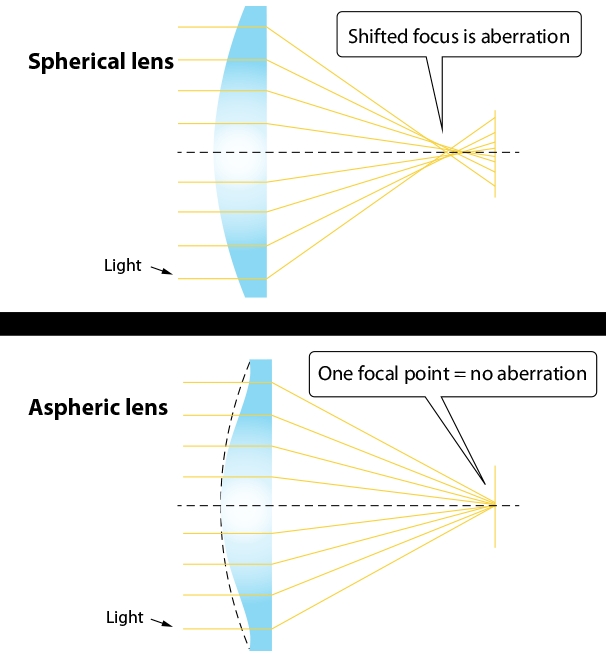
Lens elements, whether concave, convex etc, were originally composed of surfaces that represented part of a perfect sphere. The problem with this is that there are situations where such combinations of ‘spherical’ lenses can’t project an image that is uniformly focused across the flat surface of the camera sensor or film plane. This is most apparent when using medium to wide apertures where the depth of focus (not to be confused with depth of field) is narrow. Aspherical lenses, where the curve of the lens element surface is no longer part of a perfect sphere, can be used to correct such focusing aberrations.
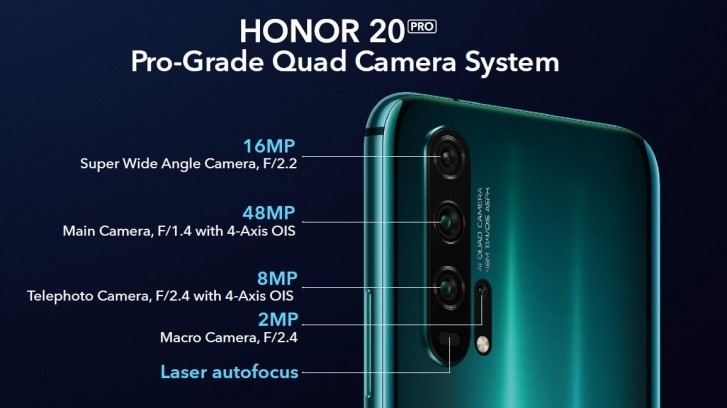
Aspheric lenses result in sharper images, especially at wider apertures, and can also be designed to minimise other optical imperfections such as chromatic aberrations. Aspherical lenses are more challenging to manufacture, which makes them more expensive. Very often, they are produced by moulding molten glass rather than being ground into shape from solid glass blanks. Manufacturing techniques have improved, and while they used to be exclusive to expensive and exotic lenses, they are now appearing in much more affordable cameras and interchangeable lenses.



Sample pictures from my HONOR 20 PRO. Information from What Digital Camera.


- Posts
- Following
- Followers
- Energy
-

 DARREN
Columnist
DARREN
Columnist
-
+ Follow

-
- 144 Posts
- 50 Following
- 217 Followers
- 12821 Energy


SUBSCRIPTION
I agree to receive the latest offers and information on HONOR products through email or IM (e.g. WhatsApp) provided below and advertisement on third-party platforms. I understand that I can unsubscribe anytime according to Chapter 5 of HONOR Platform Privacy Statement.
CONTACT

- Posts
- photo
- video

The aspherical lens element has helped to improve the optical quality of camera lenses in recent years. You may have seen ‘Asph’ or ‘Aspheric’ marked on a camera lens or in lens specifications. It’s now widely regarded as a mark of excellence. In a perfect world, all lenses would work like a pinhole camera lens. This would mean there would be no distortion, and focus would be uniform across the frame. However, pinhole lenses are completely impractical because they are very dark and you can’t use them to enjoy effects such as selective focus and blurring for creative effect. This is why a combination of glass lenses and lenses of other materials – including optical plastics – are used in modern camera lens designs.
Lens elements, whether concave, convex etc, were originally composed of surfaces that represented part of a perfect sphere. The problem with this is that there are situations where such combinations of ‘spherical’ lenses can’t project an image that is uniformly focused across the flat surface of the camera sensor or film plane. This is most apparent when using medium to wide apertures where the depth of focus (not to be confused with depth of field) is narrow. Aspherical lenses, where the curve of the lens element surface is no longer part of a perfect sphere, can be used to correct such focusing aberrations.
Aspheric lenses result in sharper images, especially at wider apertures, and can also be designed to minimise other optical imperfections such as chromatic aberrations. Aspherical lenses are more challenging to manufacture, which makes them more expensive. Very often, they are produced by moulding molten glass rather than being ground into shape from solid glass blanks. Manufacturing techniques have improved, and while they used to be exclusive to expensive and exotic lenses, they are now appearing in much more affordable cameras and interchangeable lenses.
Sample pictures from my HONOR 20 PRO. Information from What Digital Camera.