

 More Products
 Compare











我的荣耀 开启荣耀之旅



 Disagree Terms
 Log out




Under 13,000 feet,HONOR20 Pro and Go Pro, which one can capture wonder in the sky?


 Last reply :
Under 13,000 feet,HONOR20 Pro and Go Pro, which one can capture wonder in the sky?
A Daring Test of Anti-shake Photography.
https://www.youtube.com/watch?v=_IMfxX7tkxo&feature=youtu.be
Pushing the limits: a head-to-head competition, in which skydivers pitted the iPhone XS Max, GoPro 6, and Honor 20 Pro against each other from an altitude of 13,000 feet (about 4,000 m), to test each devices image stabilization technology.
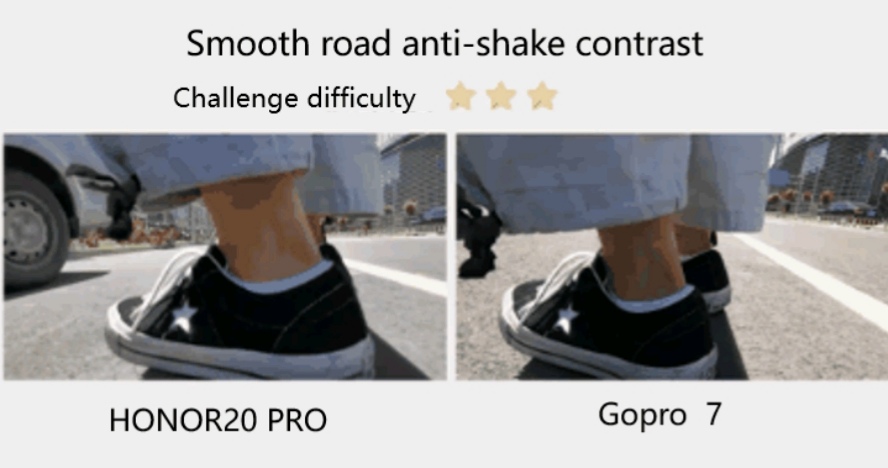
As smartphone photography has continued to improve, its become clear that phone cameras cant be judged on hardware parameters alone. Special technologies have endowed pocket-sized devices with wondrous capabilities that seem more science fiction than reality, notably telephoto and anti-shake shooting. The telephoto lens has been a focus within the industry, highlighted by the recent Huawei P30 and Honor 20 series, which are equipped with truly telescopic capabilities. However, image stabilization features havent yet captured the publics imagination in quite the same way.
At the technical level, optical image stabilization is an important feature that smartphone brands are dedicated to integrating into their devices. Why is this? At night, or in low-light settings, even with a large aperture and a slow shutter speed, given algorithm-dependent stabilization systems, there are scenarios in which the resulting photo looks like an unreal distortion of the scene.
 8
8
In fact, its common knowledge that many of the pictures we take on our phones are actually virtual representations. Optical image stabilization (OIS) is, in contrast, a physical mechanism that perfectly compensates for lens shaking, during both daytime and nighttime shots, ensuring that photos reflect the world in front of us, not a software-simulated reality. This is achieved by moving the sensor in a corresponding manner with the hand jitter, or shaking.
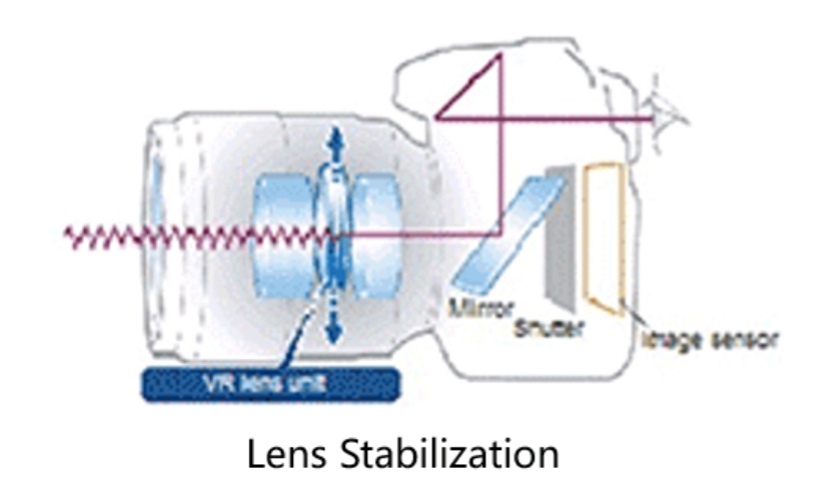
However, equipping smartphones with the best anti-shake technology is quite a formidable challenge. Many smartphone makers are at an experimental phase, and as the technology continues to improve, optical image stabilization will assuredly become a more common feature.
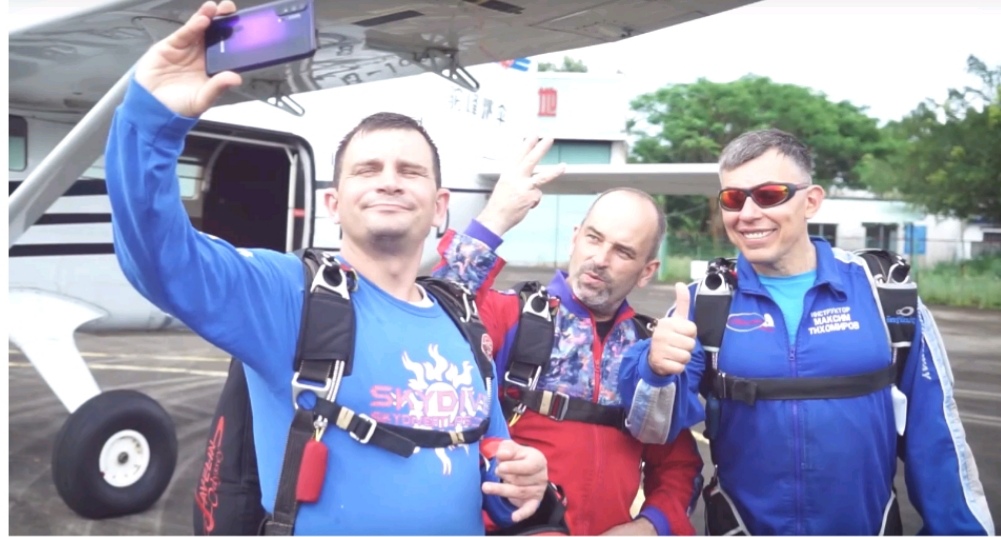
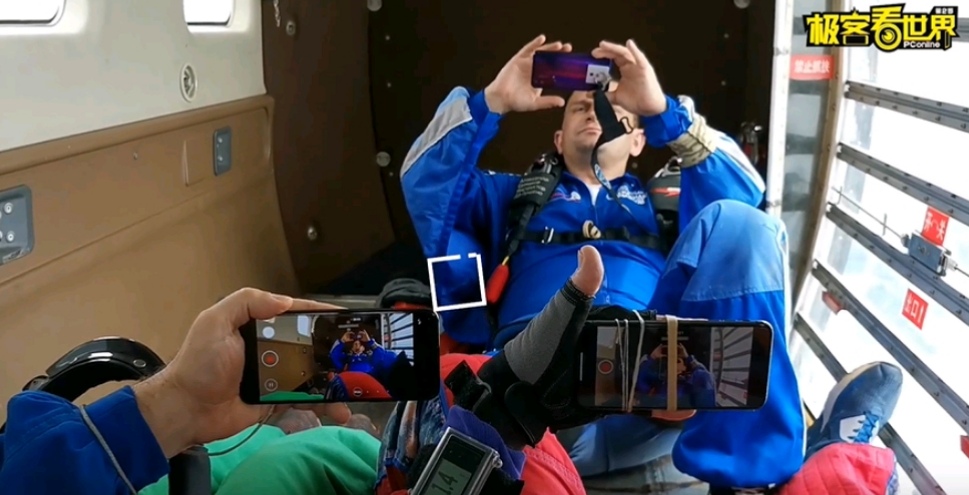
Three skydivers undertook a daring hand-on test recently, each carrying a different device (Honor 20 PRO, iPhone XS Max and GoPro 6), jumping from 13,000 feet, recording the entire descent, and then comparing each devices anti-shake capabilities.
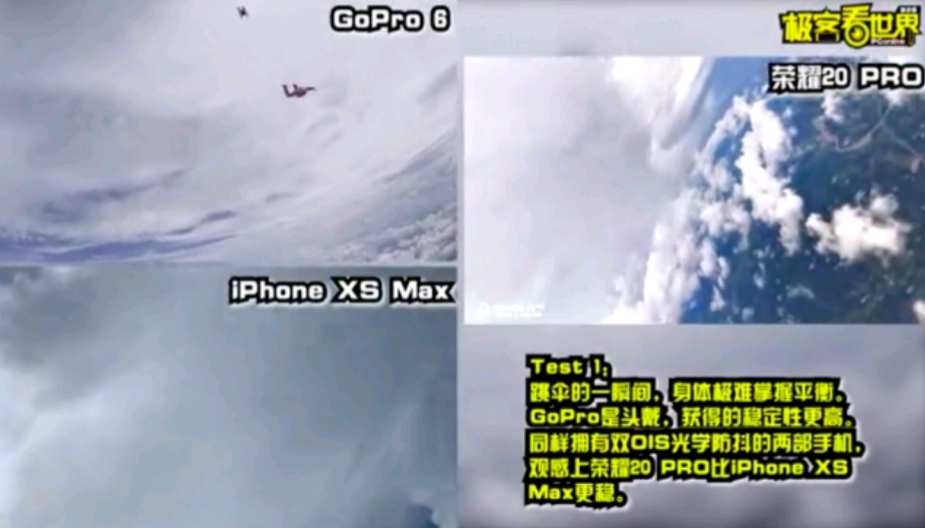
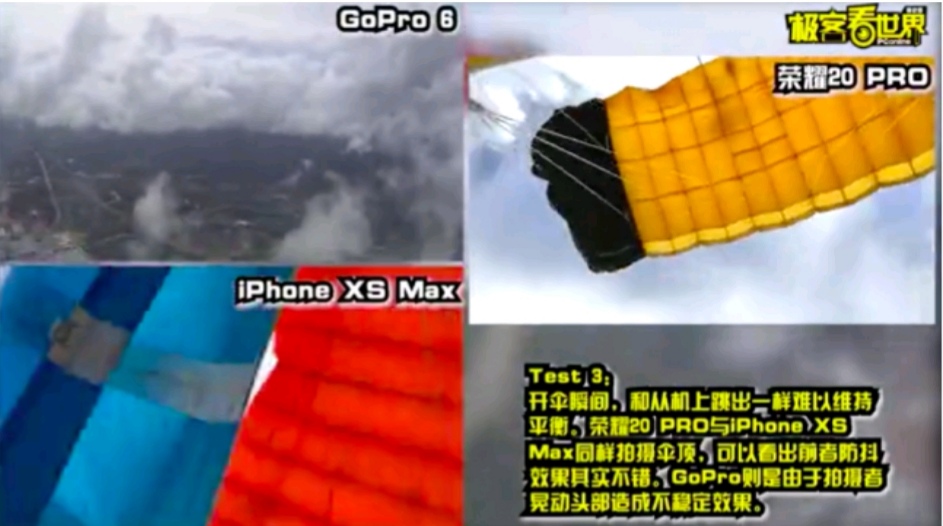
The test included the following scenarios: in free fall, while the parachute was opening, with an open parachute, and of the scenery below from the cabin of the plane. The results indicate that the shooting from the iPhone XS Max was easily the least impressive. In fact, it was already ruled out as a potential winner early in the competition. The discrepancies were most obvious when the jump was made and the parachute was opened, during which the screen shook precariously. The pictures taken in free fall, with an open parachute, and from the plane cabin were also conspicuously unstable.
On the other hand, the Honor 20 Pro and GoPro 6 anti-shake performances were practically indistinguishable. Pictures taken in every scenario came out stable, with crisp detail and fluid transitions. For some context, GoPro 6 is a high-end professional sports camera, equipped with some of the most advanced anti-shake technology on the market. That a smartphone, the Honor 20 Pro, can even compare with GoPro in this regard, indicates that anti-shake mobile photography has entered a new realm.
How has the Honor 20 Pro achieved this? The answer is by means of cutting-edge technology: dual four-axis optical image stabilization.
OIS utilizes a gyroscope in the lens assembly to detect small movements, before sending a signal to the microprocessor for a nearly instant calculation. The lens group also performs corresponding displacement corrections to maintain a relatively stable state. In essence, it is a technique that prevents image instability caused by jitters when photos are taken.
For example, when shooting a distant scene on your phone, the instant that your hand presses the shutter, it cant help but shake slightly. If there is no anti-shake function, the resulting photo will be processed virtually. But with optical image stabilization, the camera offsets the physical motion of the jitter, by determining its angle. The OIS system automatically reacts in an equal and opposite manner to the jitter. An elegant solution to a seemingly irresolvable problem.
Although there are many smartphones that support optical image stabilization, there are also key distinctions between the different OIS technologies available, with the crucial distinction being two axis and four axis systems.
Two-axis "control" refers to the horizontal and vertical trajectories, meaning that two-axis OIS can compensate for jitter to the left and right, and up and down. Four-axis control is far more intricate, accounting for eight directions: up and down, left and right, as well as front and back, for when your phone rotates and shakes. Increased control results in clearer and more stable images. In short, the higher the axis value, the more effective the OIS system.
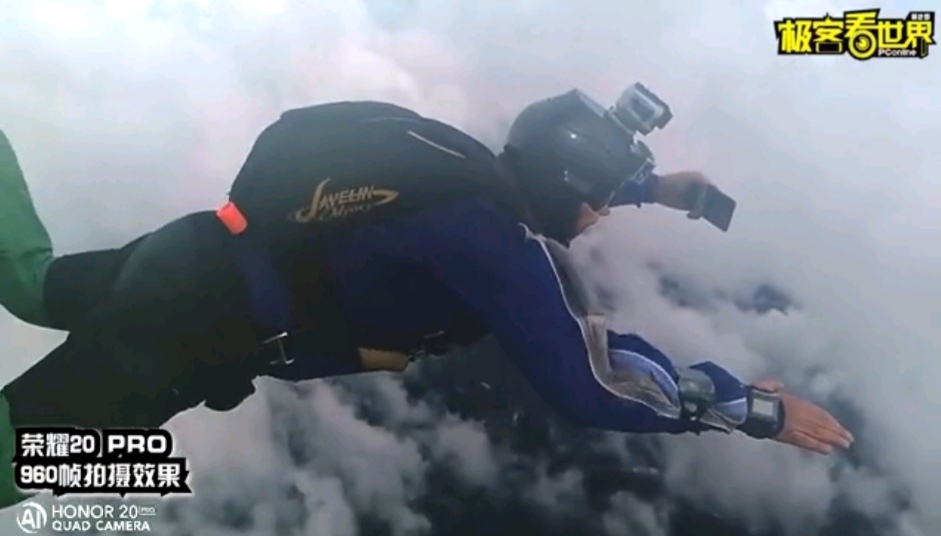
The Honor 20 PRO supports four-axis OIS, counteracting shaking comprehensively, for better performance than that seen in two-axis OIS smartphones.
The Honor 20 Pro is also equipped with four cameras, 48 MP resolution, and AI support, in which the main lens and telephoto lens are assisted by four-axis OIS. The skydiving video shot with the Honor 20 Pro, reveals that even in the presence of extreme conditions, like a high-altitude wind tunnel, the image within the frame remains extremely stable.
One hardly has to be an extreme sports fan to benefit from the enhanced OIS on the Honor 20 Pro. For example, on a cruise, when the boat is being jostled by the wind and waves, your hand will shake accordingly. Or even more plausibly in everyday life, driving down a bumpy road on a camping trip.
The Honor 20 Pro features first-rate all-around photography, having been awarded 111 points by photography DxOMark, the second highest score for any smartphone. A versatile four-camera system, highlighted by the 48 MP main lens, captures impressive scenes in seemingly any scenario, with ultra-clarity, night shooting, zoom, macro, super wide- angle capabilities. Proprietary AIS handheld night shooting, involves up to six seconds of handheld exposure, capturing nightscapes in visual splendor.
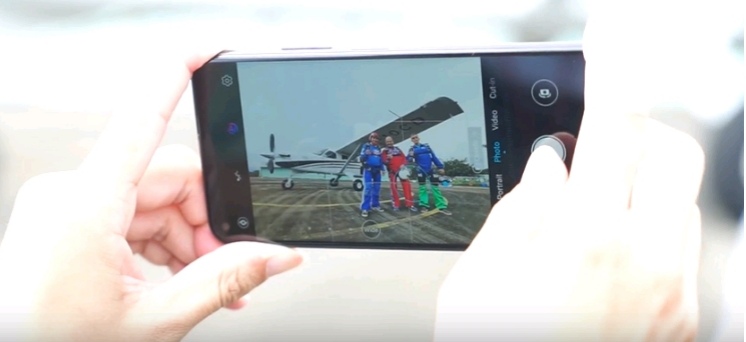
The Honor 20 Pro offers far more than premium photography, with pioneering technology including Ark Compiler, Link Turbo, Super Bluetooth, Super NFC, and advanced AI-supported features.
HONOR&PConline: https://pconline.pcvideo.com.cn/video-26307.html


- Posts
- Following
- Followers
- Energy
-
 Hasif
HONOR Content Crew
Hasif
HONOR Content Crew
-
+ Follow

-
- 159 Posts
- 33 Following
- 461 Followers
- 11825 Energy


SUBSCRIPTION
I agree to receive the latest offers and information on HONOR products through email or IM (e.g. WhatsApp) provided below and advertisement on third-party platforms. I understand that I can unsubscribe anytime according to Chapter 5 of HONOR Platform Privacy Statement.
CONTACT

- Posts
- photo
- video

Under 13,000 feet,HONOR20 Pro and Go Pro, which one can capture wonder in the sky?
A Daring Test of Anti-shake Photography.
https://www.youtube.com/watch?v=_IMfxX7tkxo&feature=youtu.be
Pushing the limits: a head-to-head competition, in which skydivers pitted the iPhone XS Max, GoPro 6, and Honor 20 Pro against each other from an altitude of 13,000 feet (about 4,000 m), to test each devices image stabilization technology.
As smartphone photography has continued to improve, its become clear that phone cameras cant be judged on hardware parameters alone. Special technologies have endowed pocket-sized devices with wondrous capabilities that seem more science fiction than reality, notably telephoto and anti-shake shooting. The telephoto lens has been a focus within the industry, highlighted by the recent Huawei P30 and Honor 20 series, which are equipped with truly telescopic capabilities. However, image stabilization features havent yet captured the publics imagination in quite the same way.
At the technical level, optical image stabilization is an important feature that smartphone brands are dedicated to integrating into their devices. Why is this? At night, or in low-light settings, even with a large aperture and a slow shutter speed, given algorithm-dependent stabilization systems, there are scenarios in which the resulting photo looks like an unreal distortion of the scene.
In fact, its common knowledge that many of the pictures we take on our phones are actually virtual representations. Optical image stabilization (OIS) is, in contrast, a physical mechanism that perfectly compensates for lens shaking, during both daytime and nighttime shots, ensuring that photos reflect the world in front of us, not a software-simulated reality. This is achieved by moving the sensor in a corresponding manner with the hand jitter, or shaking.
However, equipping smartphones with the best anti-shake technology is quite a formidable challenge. Many smartphone makers are at an experimental phase, and as the technology continues to improve, optical image stabilization will assuredly become a more common feature.
Three skydivers undertook a daring hand-on test recently, each carrying a different device (Honor 20 PRO, iPhone XS Max and GoPro 6), jumping from 13,000 feet, recording the entire descent, and then comparing each devices anti-shake capabilities.
The test included the following scenarios: in free fall, while the parachute was opening, with an open parachute, and of the scenery below from the cabin of the plane. The results indicate that the shooting from the iPhone XS Max was easily the least impressive. In fact, it was already ruled out as a potential winner early in the competition. The discrepancies were most obvious when the jump was made and the parachute was opened, during which the screen shook precariously. The pictures taken in free fall, with an open parachute, and from the plane cabin were also conspicuously unstable.
On the other hand, the Honor 20 Pro and GoPro 6 anti-shake performances were practically indistinguishable. Pictures taken in every scenario came out stable, with crisp detail and fluid transitions. For some context, GoPro 6 is a high-end professional sports camera, equipped with some of the most advanced anti-shake technology on the market. That a smartphone, the Honor 20 Pro, can even compare with GoPro in this regard, indicates that anti-shake mobile photography has entered a new realm.
How has the Honor 20 Pro achieved this? The answer is by means of cutting-edge technology: dual four-axis optical image stabilization.
OIS utilizes a gyroscope in the lens assembly to detect small movements, before sending a signal to the microprocessor for a nearly instant calculation. The lens group also performs corresponding displacement corrections to maintain a relatively stable state. In essence, it is a technique that prevents image instability caused by jitters when photos are taken.
For example, when shooting a distant scene on your phone, the instant that your hand presses the shutter, it cant help but shake slightly. If there is no anti-shake function, the resulting photo will be processed virtually. But with optical image stabilization, the camera offsets the physical motion of the jitter, by determining its angle. The OIS system automatically reacts in an equal and opposite manner to the jitter. An elegant solution to a seemingly irresolvable problem.
Although there are many smartphones that support optical image stabilization, there are also key distinctions between the different OIS technologies available, with the crucial distinction being two axis and four axis systems.
Two-axis "control" refers to the horizontal and vertical trajectories, meaning that two-axis OIS can compensate for jitter to the left and right, and up and down. Four-axis control is far more intricate, accounting for eight directions: up and down, left and right, as well as front and back, for when your phone rotates and shakes. Increased control results in clearer and more stable images. In short, the higher the axis value, the more effective the OIS system.
The Honor 20 PRO supports four-axis OIS, counteracting shaking comprehensively, for better performance than that seen in two-axis OIS smartphones.
The Honor 20 Pro is also equipped with four cameras, 48 MP resolution, and AI support, in which the main lens and telephoto lens are assisted by four-axis OIS. The skydiving video shot with the Honor 20 Pro, reveals that even in the presence of extreme conditions, like a high-altitude wind tunnel, the image within the frame remains extremely stable.
One hardly has to be an extreme sports fan to benefit from the enhanced OIS on the Honor 20 Pro. For example, on a cruise, when the boat is being jostled by the wind and waves, your hand will shake accordingly. Or even more plausibly in everyday life, driving down a bumpy road on a camping trip.
The Honor 20 Pro features first-rate all-around photography, having been awarded 111 points by photography DxOMark, the second highest score for any smartphone. A versatile four-camera system, highlighted by the 48 MP main lens, captures impressive scenes in seemingly any scenario, with ultra-clarity, night shooting, zoom, macro, super wide- angle capabilities. Proprietary AIS handheld night shooting, involves up to six seconds of handheld exposure, capturing nightscapes in visual splendor.
The Honor 20 Pro offers far more than premium photography, with pioneering technology including Ark Compiler, Link Turbo, Super Bluetooth, Super NFC, and advanced AI-supported features.
HONOR&PConline: https://pconline.pcvideo.com.cn/video-26307.html