

 More Products
 Compare












我的荣耀 开启荣耀之旅



 Disagree Terms
 Log out




How many cameras do a smartphone need to take great photos?


 Last reply :
For those who love taking photos with smartphones, it is a good time to be alive. Smartphone brands are putting more and better cameras in the phone so that users can switch to a suitable camera for different scenes, just like DSLR.
After 10-year’s evolving, Samsung presents the Samsung S10 with the most impressive triple camera. Unlike its previous generation products with a "wide-angle + telephoto" dual-camera design, the Galaxy S10 rear camera consists of three sensors, respectively a 12MP F2.4 telephoto lens, a 12MP F1.5-F2.4 (Dual Aperture) primary sensor and a 16MP F2.2 ultra-wide lens with a 123-degree field of view.
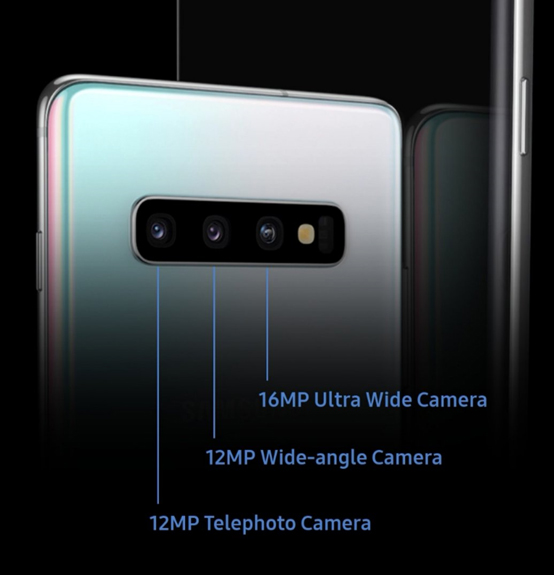
With the extraordinary dual-aperture primary camera, you will not afraid of the dark. Dual-aperture supports F1.5 mode and F2.4 mode means that the camera physically switches between two settings of the aperture, the opening that lets in light. A narrower F2.4 mode helps your photo come out sharp in bright daylight and the phone will automatically jump over to a wider F1.5 aperture in low-light scenes.
As for the telephoto camera, which provides amazing zoom possibilities and lets you zoom into the scene without losing sharpness.
Of the three, it’s the ultra-wide sensor that’s new. With a view that is wider than the wide-angle camera, the ultra-wide camera delivers a 123-degree field of vision, meaning it can take in a larger amount of the scene you're snapping and it sees almost as much as your eyes can. And in combination with the 12MP wide-angle and telephoto cameras, you can shoot with 2x optical zoom. The intriguing triple camera setup of S10 is unusual to look at, the three ones inside combine to make one of the most versatile camera systems ever seen on a smartphone.
However, the Samsung S10 is not the smartphone with the best camera on the market, according to DxO. The Samsung S10 Plus is given a score of 109 while the Huawei P30 Pro and the Huawei Mate 20 Pro are rewarded the score of 112 and 109 respectively. For now, the P30 Pro gets the crown.
The Mate 20 Pro comes with triple-camera: a 40MP wide angle lens with an f/1.8 aperture, a 20MP ultra wide angle lens with an f/2.2 aperture and an 8MP telephoto lens with an f/2.4 aperture.
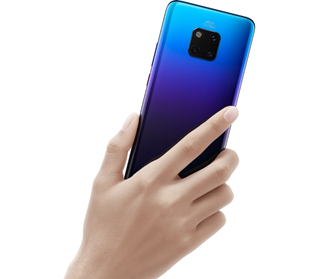
The Mate 20 Pro’s 40MP main camera handles most day-to-day scenes and delivers great high-resolution photos with great details. The ultra wide angle lens allows you to capture more in a frame. It is super useful when you are trying to take a full photo of a huge building or a group shot.
Meanwhile, the Mate 20 Pro comes with a perfect 3x optical zoom thanks to the 8MP telephoto lens. The telephoto camera also helps the main camera provide photos with bokeh effect.
The Mate 20 Pro’s triple-camera setup provides great flexibility and covers most scenes you might want to take a photo. And the new Huawei P30 Pro goes further and is equipped with quad-camera.
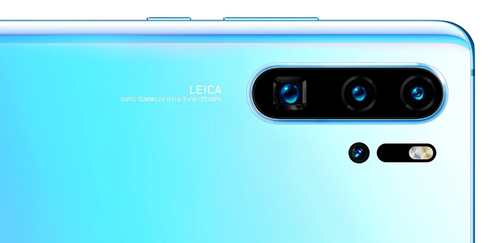
Besides the 40MP high-resolution lens, the 20MP ultra-wide angle lens and the 8MP telephoto lens, the P30 Pro gets an extra ToF (Time-of-Flight) camera, which uses infrared light to determine depth information. With ToF camera, you can get photos with much better and natural bokeh effect and an enhancing portrait mode.
The P30 Pro even comes the surprisingly great 5x optical zoom, 10x hybrid zoom and 50x digital zoom, which we have never seen before in other smartphones. And it provides much better details when zooming, comparing to other competitors.
Not everyone is willing to pay a fortune for their smartphone and maybe they don’t need to: following expensive flagships, mid-range smartphones are getting more lens too.
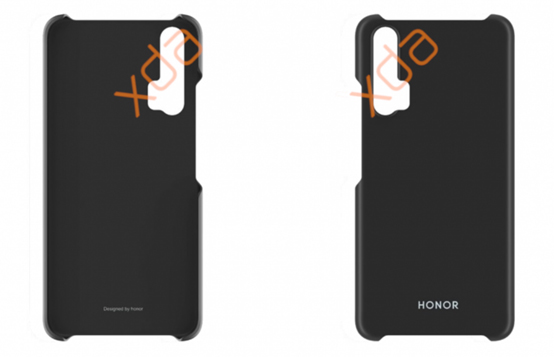
For example, the Samsung A9 is equipped with quad-camera. Recently the phone case of the Honor 20 is leaked and it seems it will come with 3 or 4 cameras. Since the Honor 20’s predecessor, the Honor 10, was launched in May 2018 so we will soon hear more about the Honor 20.
Some people may want to say the Samsung A9 does not deliver impressive photos though it is equipped with so many lenses. However, Honor 10 has great cameras and can take high-quality photos with great detail good exposure. Plus Huawei obviously knows how to make use of triple or four cameras. So maybe this time the Honor 20 will surprise us with impressive photos and a great DxO score.


- Posts
- Following
- Followers
- Energy
-

 Kenny Khor
HONOR Content Crew
Kenny Khor
HONOR Content Crew
-
+ Follow

-
- 288 Posts
- 14 Following
- 982 Followers
- 32507 Energy


SUBSCRIPTION
I agree to receive the latest offers and information on HONOR products through email or IM (e.g. WhatsApp) provided below and advertisement on third-party platforms. I understand that I can unsubscribe anytime according to Chapter 5 of HONOR Platform Privacy Statement.
CONTACT

- Posts
- photo
- video

For those who love taking photos with smartphones, it is a good time to be alive. Smartphone brands are putting more and better cameras in the phone so that users can switch to a suitable camera for different scenes, just like DSLR.
After 10-year’s evolving, Samsung presents the Samsung S10 with the most impressive triple camera. Unlike its previous generation products with a "wide-angle + telephoto" dual-camera design, the Galaxy S10 rear camera consists of three sensors, respectively a 12MP F2.4 telephoto lens, a 12MP F1.5-F2.4 (Dual Aperture) primary sensor and a 16MP F2.2 ultra-wide lens with a 123-degree field of view.
With the extraordinary dual-aperture primary camera, you will not afraid of the dark. Dual-aperture supports F1.5 mode and F2.4 mode means that the camera physically switches between two settings of the aperture, the opening that lets in light. A narrower F2.4 mode helps your photo come out sharp in bright daylight and the phone will automatically jump over to a wider F1.5 aperture in low-light scenes.
As for the telephoto camera, which provides amazing zoom possibilities and lets you zoom into the scene without losing sharpness.
Of the three, it’s the ultra-wide sensor that’s new. With a view that is wider than the wide-angle camera, the ultra-wide camera delivers a 123-degree field of vision, meaning it can take in a larger amount of the scene you're snapping and it sees almost as much as your eyes can. And in combination with the 12MP wide-angle and telephoto cameras, you can shoot with 2x optical zoom. The intriguing triple camera setup of S10 is unusual to look at, the three ones inside combine to make one of the most versatile camera systems ever seen on a smartphone.
However, the Samsung S10 is not the smartphone with the best camera on the market, according to DxO. The Samsung S10 Plus is given a score of 109 while the Huawei P30 Pro and the Huawei Mate 20 Pro are rewarded the score of 112 and 109 respectively. For now, the P30 Pro gets the crown.
The Mate 20 Pro comes with triple-camera: a 40MP wide angle lens with an f/1.8 aperture, a 20MP ultra wide angle lens with an f/2.2 aperture and an 8MP telephoto lens with an f/2.4 aperture.
The Mate 20 Pro’s 40MP main camera handles most day-to-day scenes and delivers great high-resolution photos with great details. The ultra wide angle lens allows you to capture more in a frame. It is super useful when you are trying to take a full photo of a huge building or a group shot.
Meanwhile, the Mate 20 Pro comes with a perfect 3x optical zoom thanks to the 8MP telephoto lens. The telephoto camera also helps the main camera provide photos with bokeh effect.
The Mate 20 Pro’s triple-camera setup provides great flexibility and covers most scenes you might want to take a photo. And the new Huawei P30 Pro goes further and is equipped with quad-camera.
Besides the 40MP high-resolution lens, the 20MP ultra-wide angle lens and the 8MP telephoto lens, the P30 Pro gets an extra ToF (Time-of-Flight) camera, which uses infrared light to determine depth information. With ToF camera, you can get photos with much better and natural bokeh effect and an enhancing portrait mode.
The P30 Pro even comes the surprisingly great 5x optical zoom, 10x hybrid zoom and 50x digital zoom, which we have never seen before in other smartphones. And it provides much better details when zooming, comparing to other competitors.
Not everyone is willing to pay a fortune for their smartphone and maybe they don’t need to: following expensive flagships, mid-range smartphones are getting more lens too.
For example, the Samsung A9 is equipped with quad-camera. Recently the phone case of the Honor 20 is leaked and it seems it will come with 3 or 4 cameras. Since the Honor 20’s predecessor, the Honor 10, was launched in May 2018 so we will soon hear more about the Honor 20.
Some people may want to say the Samsung A9 does not deliver impressive photos though it is equipped with so many lenses. However, Honor 10 has great cameras and can take high-quality photos with great detail good exposure. Plus Huawei obviously knows how to make use of triple or four cameras. So maybe this time the Honor 20 will surprise us with impressive photos and a great DxO score.