



 More Products
 Compare














我的荣耀 开启荣耀之旅



 Disagree Terms
 Log out




[TecHONOR] Why SuperCharge Is So Fast? Let Me Show You The Course Of It.


 Last reply :
Hello Guys,
Everyone knows that Honor 20 Pro is equipped with Huawei Supercharge 2.0. When it comes to 2.0, we have to talk about its predecessor – Supercharge 1.0.
Super-Fast Charge 1.0 was first introduced at the Honor 9 conference, and it presented the concept of fast speed, low temperature, safety, and intelligent. After the market testing of a series of products such as Honor View 10.
Now consumers have a high recognition of charging speed and safety. Supercharge 1.0 can achieve a maximum charging power of 4.5V × 5A = 22.5W, that means, it takes only 1.5 hours to fully charge an Honor 20 and Honor 20 Pro.
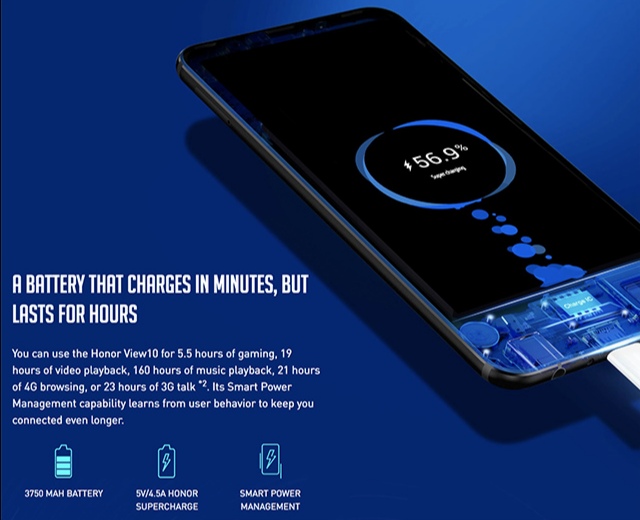
The current supercharging 2.0 of the latest flagship phone Honor 20 Pro is more powerful than Supercharge 1.0, and the maximum charging power is up to10V×4A= 40W, far exceeding the first generation charge limit 22.5w. Compared with last year's iPhone fast charge (18W), it is more than twice as much. The Honor 20 Pro with 4000mAh battery capacity is expected to be full of 71% in half an hour, the charging speed is quite amazing.
So why does Supercharge 2.0 have such a qualitative leap, why not all brands of mobile phones have this function?
Why the Supercharge is so fast?
Before explaining Supercharge 2.0, let us popularize the knowledge of Huawei Supercharge 1.0 and normal charging.
1. Normal Charging
Normal charging includes both 5V charging and 9V charging. Under normal charging, the charger outputs a fixed voltage of 5V or 9V. This voltage is connected to the charging port (Type-C port). There is a charging chip in the mobile phone (the supercharging mobile phone also has this chip. If not, the mobile phone cannot be charged when there is no supercharging charger), the function of this chip is to convert the 5V/9V voltage into the voltage that the battery can withstand. There is a problem with conversion efficiency. The following is TI's charging chip efficiency curve.
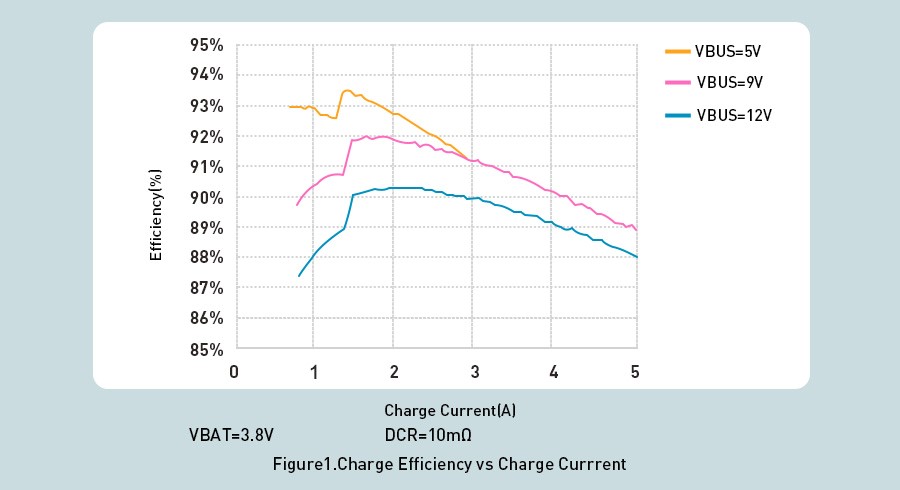
From the figure, when the output current is 5A (the voltage on the charging line is 5V, the output voltage of the chip is 4.5V, and the current is 5A), the efficiency is about 89%, which is easy to calculate:
- Required output power: 4.5V x 5A=22.5W
- Input power needs to be reached: Pin = 22.5W/89% = 25.3W
- Power loss: Post = Pin – Pout = 2.8W
- This loss of 2.8W will be converted into heat, the phone will be very hot, and maybe the same as roasted sweet potatoes.
2. SuperCharge 1.0
What about the fever of supercharging at the same power? Under supercharge, the output voltage of the charger goes directly through a switch. The impedance of this switch can be made very small. It is proper to be less than 0.01Ω. Then we assume that is 0.01Ω. When 5A is charged, the heat loss power generated is: Plots = I x I x R = 0.25W. Compared with the normal charging of 2.8W, even 1/10 of it is not, the fever is significantly reduced. This is one of the cores of supercharging
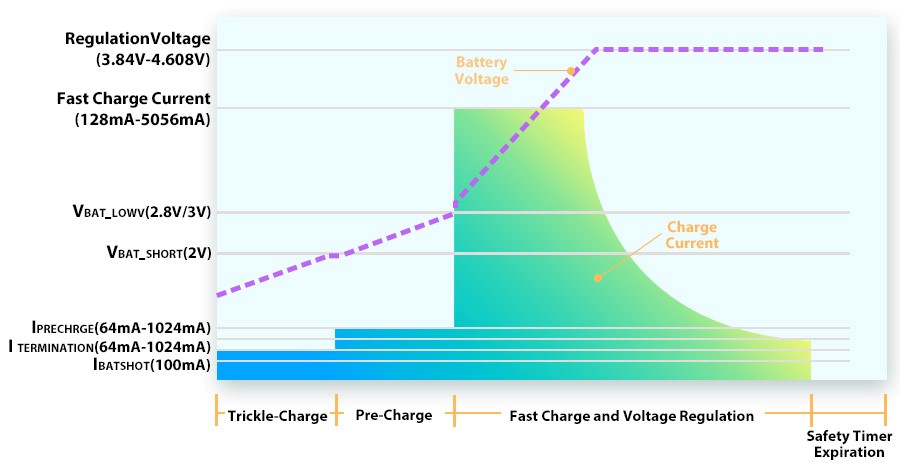
At this time, some people may ask, what is the relationship between the low efficiency of the ordinary charging chip and the switch? To answer this question, we must talk about the charging technology of lithium batteries. Charging a lithium battery is not a matter of filling a constant current, and there is a control process in between. We use the diagram of the TI charging chip to illustrate.
The battery operating voltage is between 3.0 and 4.4V, and different power levels correspond to different voltages. The figure above shows the charging process of the lithium battery, When the battery voltage is very low (<3V), it needs to be charged with a small current (otherwise there will be safety issues). When the battery voltage is between 3V and 4.4V, it can be charged with a large current. At this stage, the current can be kept at a fixed value. When the battery voltage reaches 4.4V, the current needs to slowly drop, keeping the voltage at 4.4V. If the current does not drop at this time, the battery voltage will become higher and higher, which is likely to pose a safety risk.
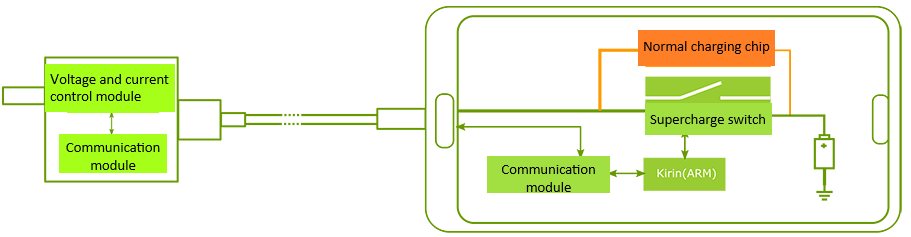
The above charging process of lithium battery is also realized in the supercharge, here is the second core point of supercharging - control technology. During the charging process, the mobile phone constantly monitors the battery current and the battery voltage and tells the charger how to adjust the output voltage and current to meet the real-time charging requirements of the lithium battery.
Therefore, on the one hand, the supercharge charger should be able to provide enough power, and also need communication and dynamic adjustment functions, on the other hand, so the cost is much higher than the simple output 5V or 9V charger.
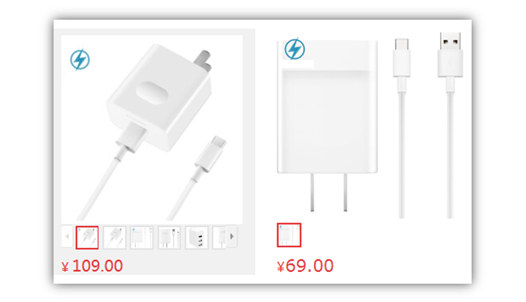
It can be seen from the price on the Internet (left: Supercharger, Right: Normal 9V Charger):
In addition, in order to carry out high-current charging, the battery also needs to be specially designed, which will also bring about an increase in cost, but it will not be discussed today.
3. SuperCharge 2.0
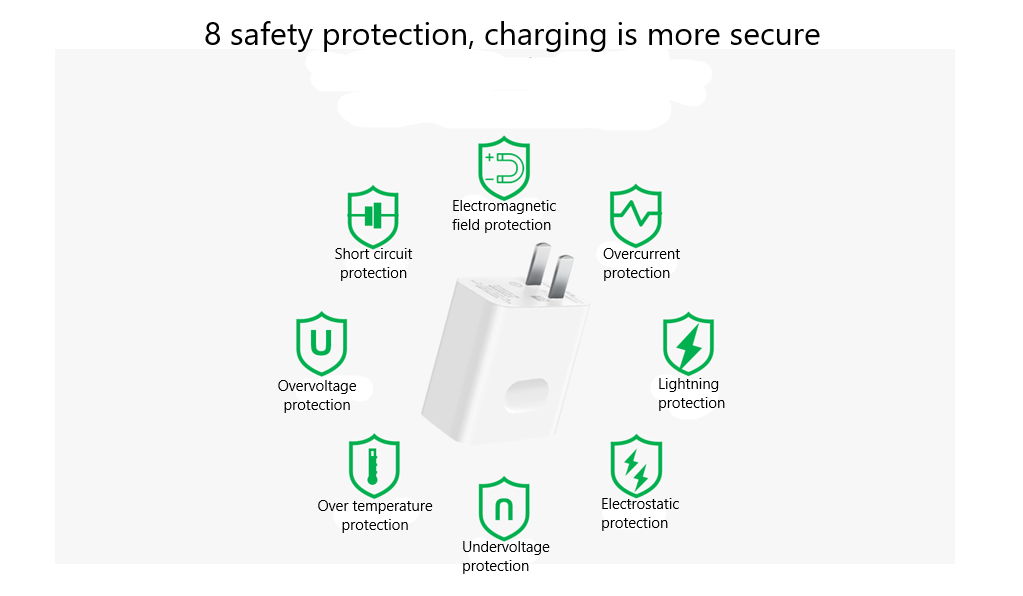
SuperCharge 2.0 has been upgraded in charge of the switch chip, control technology and battery. The charging switch has lower impedance, the control technology is more intelligent, and the battery performance is more secure. Huawei SuperCharger 2.0 has also passed the certification of TUV Rheinland. It realizes real-time voltage, current and temperature monitoring in three ports of charging adapter, mobile phone interface and battery core. It can sensitively detect any potential risks and ensure the safety of charging.
Therefore, why not all brands and all models of mobile phones have supercharging is very clear. First, the cost factor, if you want to achieve supercharging, circuits, chargers, batteries will cost more; second is the technical factors, the above is only a general explanation of the principle of supercharging, there are many key technical points to achieve. This is not all brands can do that, even if they did it, they also have problems with patents.
Thank you all and for any other questions please comment below this post!
Thanks 


- Posts
- Following
- Followers
- Energy
-

GeekyMarshmallow
-
+ Follow

-
- 114 Posts
- 445 Following
- 649 Followers
- 10729 Energy



- Posts
- photo
- video

Hello Guys,
Everyone knows that Honor 20 Pro is equipped with Huawei Supercharge 2.0. When it comes to 2.0, we have to talk about its predecessor – Supercharge 1.0.
Super-Fast Charge 1.0 was first introduced at the Honor 9 conference, and it presented the concept of fast speed, low temperature, safety, and intelligent. After the market testing of a series of products such as Honor View 10.
Now consumers have a high recognition of charging speed and safety. Supercharge 1.0 can achieve a maximum charging power of 4.5V × 5A = 22.5W, that means, it takes only 1.5 hours to fully charge an Honor 20 and Honor 20 Pro.
The current supercharging 2.0 of the latest flagship phone Honor 20 Pro is more powerful than Supercharge 1.0, and the maximum charging power is up to10V×4A= 40W, far exceeding the first generation charge limit 22.5w. Compared with last year's iPhone fast charge (18W), it is more than twice as much. The Honor 20 Pro with 4000mAh battery capacity is expected to be full of 71% in half an hour, the charging speed is quite amazing.
So why does Supercharge 2.0 have such a qualitative leap, why not all brands of mobile phones have this function?
Why the Supercharge is so fast?
Before explaining Supercharge 2.0, let us popularize the knowledge of Huawei Supercharge 1.0 and normal charging.
1. Normal Charging
Normal charging includes both 5V charging and 9V charging. Under normal charging, the charger outputs a fixed voltage of 5V or 9V. This voltage is connected to the charging port (Type-C port). There is a charging chip in the mobile phone (the supercharging mobile phone also has this chip. If not, the mobile phone cannot be charged when there is no supercharging charger), the function of this chip is to convert the 5V/9V voltage into the voltage that the battery can withstand. There is a problem with conversion efficiency. The following is TI's charging chip efficiency curve.
From the figure, when the output current is 5A (the voltage on the charging line is 5V, the output voltage of the chip is 4.5V, and the current is 5A), the efficiency is about 89%, which is easy to calculate:
- Required output power: 4.5V x 5A=22.5W
- Input power needs to be reached: Pin = 22.5W/89% = 25.3W
- Power loss: Post = Pin – Pout = 2.8W
- This loss of 2.8W will be converted into heat, the phone will be very hot, and maybe the same as roasted sweet potatoes.
2. SuperCharge 1.0
What about the fever of supercharging at the same power? Under supercharge, the output voltage of the charger goes directly through a switch. The impedance of this switch can be made very small. It is proper to be less than 0.01Ω. Then we assume that is 0.01Ω. When 5A is charged, the heat loss power generated is: Plots = I x I x R = 0.25W. Compared with the normal charging of 2.8W, even 1/10 of it is not, the fever is significantly reduced. This is one of the cores of supercharging
At this time, some people may ask, what is the relationship between the low efficiency of the ordinary charging chip and the switch? To answer this question, we must talk about the charging technology of lithium batteries. Charging a lithium battery is not a matter of filling a constant current, and there is a control process in between. We use the diagram of the TI charging chip to illustrate.
The battery operating voltage is between 3.0 and 4.4V, and different power levels correspond to different voltages. The figure above shows the charging process of the lithium battery, When the battery voltage is very low (<3V), it needs to be charged with a small current (otherwise there will be safety issues). When the battery voltage is between 3V and 4.4V, it can be charged with a large current. At this stage, the current can be kept at a fixed value. When the battery voltage reaches 4.4V, the current needs to slowly drop, keeping the voltage at 4.4V. If the current does not drop at this time, the battery voltage will become higher and higher, which is likely to pose a safety risk.
The above charging process of lithium battery is also realized in the supercharge, here is the second core point of supercharging - control technology. During the charging process, the mobile phone constantly monitors the battery current and the battery voltage and tells the charger how to adjust the output voltage and current to meet the real-time charging requirements of the lithium battery.
Therefore, on the one hand, the supercharge charger should be able to provide enough power, and also need communication and dynamic adjustment functions, on the other hand, so the cost is much higher than the simple output 5V or 9V charger.
It can be seen from the price on the Internet (left: Supercharger, Right: Normal 9V Charger):
In addition, in order to carry out high-current charging, the battery also needs to be specially designed, which will also bring about an increase in cost, but it will not be discussed today.
3. SuperCharge 2.0
SuperCharge 2.0 has been upgraded in charge of the switch chip, control technology and battery. The charging switch has lower impedance, the control technology is more intelligent, and the battery performance is more secure. Huawei SuperCharger 2.0 has also passed the certification of TUV Rheinland. It realizes real-time voltage, current and temperature monitoring in three ports of charging adapter, mobile phone interface and battery core. It can sensitively detect any potential risks and ensure the safety of charging.
Therefore, why not all brands and all models of mobile phones have supercharging is very clear. First, the cost factor, if you want to achieve supercharging, circuits, chargers, batteries will cost more; second is the technical factors, the above is only a general explanation of the principle of supercharging, there are many key technical points to achieve. This is not all brands can do that, even if they did it, they also have problems with patents.
Thank you all and for any other questions please comment below this post!
Thanks