


 More Products
 Compare








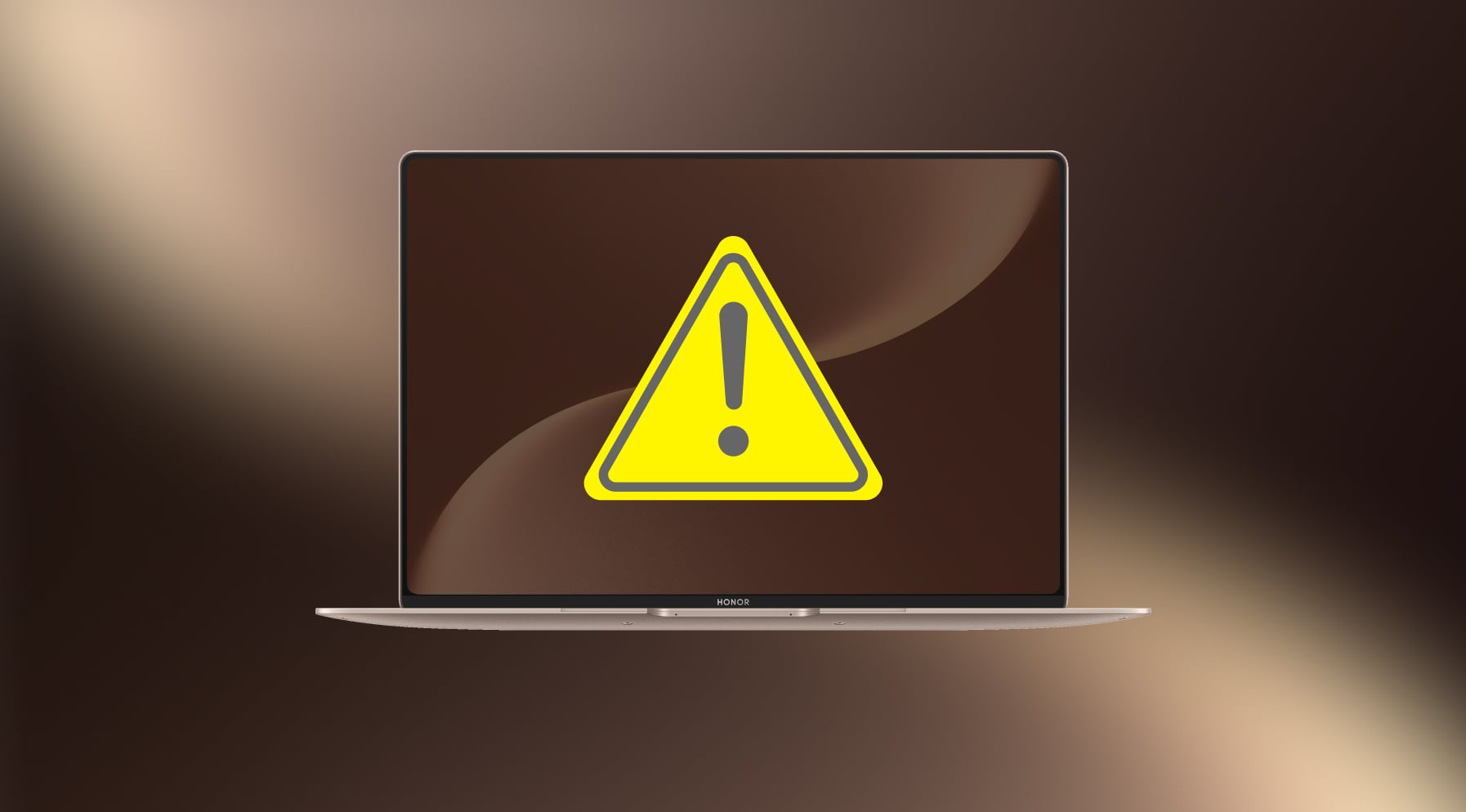
How to Fix Laptop Touch Screen: Clear Steps to Diagnose and Repair
Table of Contents
Touch screens are brilliant when they work, and baffling when they don’t. If yours has become jumpy, slow, or completely unresponsive, you’re not alone. These problems are surprisingly common.
This guide walks you through how to fix laptop touch screen issues using practical methods you can try at home. You’ll find straightforward explanations, signs to look out for, and reliable fixes to help get your device back to normal.
Common Symptoms of Touchscreen Failure
Modern laptops often include touchscreens because they make everyday tasks quicker and more intuitive, letting you scroll, sketch, and navigate apps in a way that feels closer to using a tablet.
But when you find your laptop touch screen not working, it quickly becomes frustrating. Most touch failures show the same set of symptoms, and recognising them helps you figure out what to try first.
● No response at all: You tap, swipe, or pinch, and nothing happens, even though the keyboard and trackpad still work.
● Only part of the screen works: Some areas respond, but others feel “dead.” You might notice you can’t press buttons or close windows in a specific corner.
● Touch feels “off” or misaligned: You tap one place, but Windows thinks you tapped somewhere else. This is often a calibration problem, where the touch input no longer lines up with the display.
● Random or “ghost” touches: Windows reacts even when you’re not touching the screen. Menus open on their own, the cursor jumps, or apps launch without you tapping them. This behaviour is often called ghost touching.
● Touch is slow or jittery: The screen responds, but there’s a delay, or movements are jerky instead of smooth.
● Multi-touch gestures stop working: Pinch-to-zoom or two-finger scrolling no longer register, even though single taps still do.
How to Fix Laptop Touch Screen Issues
When you wonder, “Why is the touch screen not working on my laptop?” the cause can be anything from a bit of dirt on the glass to a deeper driver or hardware issue. The good news is that most problems are easy to rule out with a few clear checks.
Here’s how to fix a touch screen laptop, step by step:
1. Start with simple checks
If you found your touch screen laptop touch not working, these quick checks fix a surprising number of problems:
● Clean the screen: Turn off your laptop first. Wipe the glass with a soft, slightly damp, lint-free cloth. Remove dust, grease, and any screen protectors that seem loose or bubbled. Heavy dirt or moisture can confuse touch sensors.
● Make sure your hands are clean and dry: Most laptop touch screens use capacitive sensors. Wet hands, gloves, or anything between your finger and the glass can block the signal.
● Restart Windows: If your touch screen laptop stopped working, a full restart might be all you need. It clears temporary glitches that can interrupt drivers and background services.
If touch returns after this, you can keep an eye on it, but you don’t need deeper changes yet.
2. Check that the touchscreen is enabled
If you’re dealing with a Windows touch screen laptop not working situation, one possible cause is that the touch device has been disabled in the driver settings.
You can check this in Device Manager:
1. Right-click the Start button and select Device Manager.
2. Expand Human Interface Devices.
3. Look for HID-compliant touch screen.
4. Right-click it and select Enable device if you see that option.
If it’s already enabled, try a quick reset:
1. Right-click HID-compliant touch screen.
2. Choose Disable device, wait a few seconds, then right-click again and choose Enable device.
Test the screen after this. If it still doesn’t respond, continue.
3. Update or reinstall the touch driver
If the touch driver is damaged or outdated, Windows may see the device but not handle touch correctly.
To update the driver:
1. In Device Manager > Human Interface Devices, right-click HID-compliant touch screen.
2. Select Update driver.
3. Choose Search automatically for drivers and let Windows check for a newer version.
To reinstall the driver:
1. In Device Manager > Human Interface Devices, right-click HID-compliant touch screen.
2. Select Uninstall device and confirm.
3. Restart your laptop. Windows will usually detect the touch hardware again and reinstall the driver automatically.
If the entry disappears and does not return:
● In Device Manager, select Action > Scan for hardware changes to force a new check.
● If it still doesn’t appear, you may need to download a suitable touch or chipset driver from your laptop manufacturer’s support page and install it manually.
4. Install Windows updates
When you ask, “How to fix my touch screen on my laptop?”, Windows updates often include fixes for touch, display, and driver issues.
1. Open Start > Settings > Windows Update.
2. Click Check for updates and install everything important or recommended.
3. If you see View optional updates, open it and look for driver or firmware updates related to input or touch, then install them.
4. Restart your laptop, even if Windows doesn’t insist on it.
Test the touch screen again after the restart.
5. Calibrate the touch screen
If your taps land in the wrong spot or the touch response feels slightly off, calibration can often correct it.
1. Type ‘Control Panel’ in the Windows search bar and open it.
2. Select Hardware and Sound, then choose Calibrate the screen for pen or touch input under Tablet PC Settings.
3. In the window that appears, click Setup or Calibrate, select Touch input, and follow the crosshair prompts on screen.
4. When you’re done, save the updated settings.
Calibration helps Windows match your touch input to the display more accurately, so gestures and taps line up with where you actually press.
6. Enable the touchscreen in BIOS/UEFI (advanced)
If Windows no longer detects any touch-screen device, the setting may be switched off at the firmware level. Some laptops include a toggle for the touch panel in the BIOS or UEFI.
To check this:
1. Shut down the laptop completely.
2. Turn it back on and watch the first startup screen. Many models show a brief message such as “Press F2 for Setup” or “Press Del to enter BIOS.” If you don’t see a message, the most common keys to try are Esc, F2, F10, and Del—press the correct key for your model repeatedly until the BIOS/UEFI menu appears.
3. Browse the menu for sections like Advanced, Configuration, Display, or Input, and look for any option related to the touchscreen or touch panel.
4. Set it to Enabled, then save your changes and restart.
Not all laptops include a touchscreen setting in BIOS/UEFI, so if you can’t find one, you can continue with the other troubleshooting steps.
7. Update the BIOS/UEFI (firmware) with care
Firmware updates can fix deeper issues, including problems that stop Windows from detecting touch hardware. Because a BIOS/UEFI update is more sensitive than a normal software update, it’s important to use the correct file and follow the instructions closely.
1. Visit the official support page for your laptop model.
2. Check for a BIOS or firmware update and read the notes to confirm it applies to your device.
3. Plug the laptop into mains power and close other applications.
4. Run the update tool and let it complete without interruption.
If the manufacturer also lists updated chipset, touch, or graphics drivers, it’s worth installing those as well. Keeping firmware and drivers current helps prevent conflicts that can affect touch input.
8. When to seek professional help
Tried all the fixes above and your Windows laptop touch screen is still not working? At that point, the issue is likely hardware-related: a damaged panel, a loose internal cable, or a fault on the motherboard.
It’s safer to contact a qualified repair service or an authorised centre rather than attempt physical repairs yourself.
If the repair quote is high or your laptop is already a few years old, it can make more sense to put that money towards a newer touchscreen model instead. You get fresh hardware, a new warranty, and a screen that should stay responsive for much longer.
One option worth considering is the HONOR MagicBook Art 14 2025. It has a sharp 14.6-inch 3.1K OLED touch display that responds smoothly to taps and gestures. The screen is bright, detailed, and easy to see in different lighting, and it includes eye-comfort features designed to reduce flicker and strain over long sessions.
The laptop itself is slim and very light — around 1 kg and 1 cm thick — which makes it easy to carry if you work on the go. Inside, it runs on an Intel Core Ultra 7 processor with 32 GB of fast LPDDR5x memory and a 1 TB SSD. That gives you plenty of speed for everyday work, multitasking, creative apps, and AI-assisted tasks in Windows 11.
You also get practical extras: a removable magnetic webcam for flexible positioning, six speakers for clearer audio, and a mix of useful ports including HDMI, USB-A, USB-C, and Thunderbolt 4. Battery life is strong enough for a typical workday, and fast charging helps you top up quickly.
Conclusion
A laptop touch screen can stop working for many simple reasons, and most can be fixed with a few clear checks. By working through the steps in this guide, you know how to fix laptop touch screen issues before turning to repairs. If the problem turns out to be hardware-related, a professional inspection or an upgrade to a newer touchscreen model may be the better choice. Either way, you’re now equipped to decide the next step with confidence.
FAQs
Why is my laptop touch screen not working?
Your laptop touch screen might stop working for a few common reasons: the touch driver may have crashed, Windows updates may have caused a glitch, or the screen could be dirty or physically damaged. Start by cleaning the screen gently and restarting your laptop. Next, check Device Manager to see if the HID-compliant touch screen entry is listed and enabled. If it’s missing or shows an error, you may need to reinstall or update the touch drivers.
Can you repair a touch screen laptop?
Yes, in most cases a touch screen laptop can be repaired, but the approach depends on the fault. Software issues, such as driver or settings problems, are usually straightforward to fix. Physical damage, like a cracked or unresponsive panel, often requires replacing the screen assembly. This is a delicate job, so it’s best handled by a qualified technician.
How do I make my laptop touch screen work?
To get your touch screen working again, first give the screen a gentle clean and restart your laptop. Then go to Device Manager, expand Human Interface Devices and check that the touch screen (often called HID-compliant touch screen) is enabled. If it’s disabled, right-click and enable it. You can also try updating or uninstalling and reinstalling the driver. Finally, run Windows Update to make sure you have the latest system and driver updates.
What is the lifespan of a touch screen?
A quality laptop touch screen is typically designed to last many years of normal use, often similar to the overall lifespan of the laptop itself (around 3–5 years). The actual life depends on build quality, how often it’s used, and how well it’s looked after. Gentle touches, keeping the screen clean, and avoiding pressure or knocks will help it last longer.
How do I enable the touch screen on my laptop?
To enable your touch screen in Windows, right-click the Start button and open Device Manager. Expand Human Interface Devices and look for HID-compliant touch screen. Right-click it and choose Enable device. If you don’t see the option, it’s likely already enabled, so try restarting your laptop. If the touch screen still doesn’t respond, you may need to update or reinstall the driver.
Source: HONOR Club
Products Recommend
Latest Blogs
Consumer hotline
