
 More Products
 Compare








Main Types of Drawing Tablets
When selecting a good drawing tablet, it's essential to consider the core varieties available, each tailored to different skill levels, workflows, and budgets. From entry-level options that pair with your existing setup to fully independent powerhouses, these types cater to every artist's vision and lifestyle.
Pen Tablets (No Screen/Display)
Pen tablets, often called non-screen or graphics tablets, are the most traditional and
budget-friendly entry point into digital art. They consist of a solid, opaque surface that you draw
on with a stylus, while the image appears on your connected computer monitor. This creates a
disconnect that requires developing hand-eye coordination, as you're not looking at your hand while
you draw.
These good drawing pads are highly valued for their durability, portability, and affordability. They
connect to a computer via USB or Bluetooth and are an excellent choice for beginners, students, or
professionals who need a reliable and simple tool for tasks like photo editing, graphic design, and
illustration without a large initial investment.
Pen Display Tablets
Pen display tablets combine a touch-sensitive screen with pen input, allowing artists
to draw directly on the display. This direct interaction removes the disconnect between hand
movement and cursor location, which many artists find more intuitive. These tablets typically offer
excellent colour accuracy and high resolution, which enhances the creative process for painting,
storyboarding, and concept design.
While more expensive, pen displays are a favourite among professional illustrators, animators, and
designers for their seamless workflow. It's important to note that these devices are not standalone;
they function as a second monitor and must be connected to a computer to operate. Although they
usually require a computer connection, the experience closely resembles working on paper.
Standalone Drawing Tablets
Standalone drawing tablets, or tablet computers, are the most powerful and versatile option,
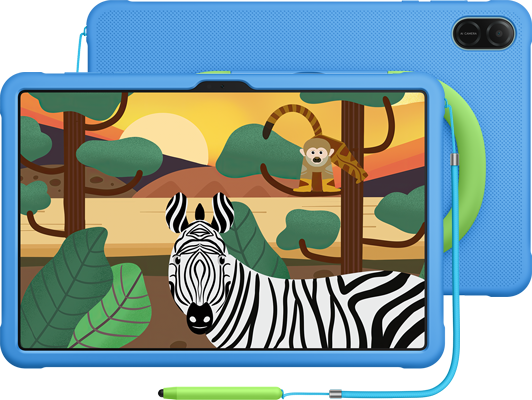
functioning as all-in-one portable studios. Devices like HONOR tablets are
powerful computers in their own right, equipped with high-resolution touch screens and advanced
stylus technology. They don't need to be tethered to a separate computer, offering unmatched freedom
to create anywhere.
Their versatility extends beyond art, as they can be used for browsing, communication, and other
professional tasks. Currently, HONOR offers several tablet series designed for different creative
and practical needs. These series include the HONOR Pad Magic Series, known for premium performance;
the V Series, often emphasising powerful features; the N Series, offering a balance of performance
and portability; and the X Series, providing excellent value.
Why Use a Drawing Tablet Instead of Traditional Tools?
While traditional art tools like pencils and paints hold timeless appeal, drawing tablets revolutionise the creative process with digital precision and flexibility. Here's why they're a game-changer:
The best tablet for drawing with pen mimics real pencil or brush pressure, providing natural line variation and texture. It offers more control over stroke weight and opacity than traditional tools, enhancing precision for intricate illustrations.
Switch palettes instantly and experiment with endless hues using built-in tools. No need for mixing paints or buying new markers; digital colour correction ensures consistency, reducing frustration from mismatched shades in traditional work.
One major advantage is the instant undo function, letting you erase mistakes without wasting paper or starting over. Traditional tools demand perfection on the first try, while tablets enable seamless revisions and experimentation.
Good digital drawing tablets offer unlimited digital space, expanding beyond physical paper limits. Zoom in for details or out for the full composition effortlessly, fostering creative freedom that traditional media can't match in scale or flexibility.
Work on separate layers for backgrounds, subjects, and effects without smudging or overlapping issues. This non-destructive approach in digital art allows easy adjustments, saving time compared to redrawing elements by hand.
Export and share artwork digitally via email or social media in seconds. Collaborate remotely with others by sending layered files for feedback, a feature impossible with physical drawings that require scanning or photography first.
Drawing tablets are lightweight and compact, fitting easily into a backpack for on-the-go sketching. Unlike bulky easels or heavy sketchbooks, they require no drying time or cleanup, allowing artists to create anywhere without the hassle of traditional supplies.
After initial purchase, tablets eliminate ongoing expenses for paper, inks, and canvases. Digital files are stored indefinitely, reusable for prints or edits, making it a sustainable choice over constantly replenishing traditional art supplies.
How to Choose the Best Tablet for Drawing?
A great drawing tablet isn't just a tool—it's an extension of your creativity, bridging traditional artistry with modern tech. With so many choices, prioritising the following aspects helps you pick the best drawing tablet that feels intuitive and elevates every stroke.
Look for high resolution (e.g., 1080p or higher) and good colour accuracy (e.g., covering 100% sRGB or DCI-P3). A screen between 10 and 13 inches generally offers a good balance between a comfortable drawing space and portability for most artists.
Low latency (minimal delay between stroke and screen appearance) is critical for a natural drawing feel. Also, look for low parallax, meaning the gap between the pen tip and the drawn line on the screen is almost unnoticeable.
Opt for a minimum of 4096 levels to ensure a wide range of line thickness and opacity. This vital feature mimics traditional art tools and allows for nuanced shading and detailed work, offering greater control over your strokes.
The ability to run professional drawing apps and support advanced brushes makes a big difference. Compatibility ensures a consistent workflow without having to shift between devices or compromise on tool performance.
Aim for at least 8GB of RAM and sufficient internal storage (e.g., 128GB+) or expansion options (like an SD card slot). Adequate RAM prevents crashing and ensures smooth operation when working on complex, high-resolution illustrations with many layers.
Set a realistic budget and consider the long-term cost, including accessories like extra nibs, cases, and protective screens. Research which tablet brands offer reliable customer support and a robust ecosystem of compatible drawing apps and tools.
Strong battery capacity ensures uninterrupted drawing sessions. Long runtime reduces
the need for constant charging breaks, allowing focused creative flow, especially for artists
working outdoors or away from outlets.
While checking specs and performance, you may also wonder Can I Wirelessly
Charge My Tablet, since charging convenience can influence how smoothly your creative
sessions continue.
Best Standalone Drawing Tablets of the Year
The drawing capabilities of HONOR tablets stand out thanks to their crisp displays and balanced
sizing. With screen sizes spanning 8.7 inches to 13.3 inches, these devices adapt easily to various
illustration needs. HONOR MagicPad3's peak
brightness reaches 700 nits (HBM 1000 nits), maintaining clarity in bright surroundings, while the
top resolution of 3200 x 2136 ensures smooth and accurate stroke control. Running on MagicOS 10.0
based on Android 16, and paired with 16GB RAM plus 512GB storage, it easily handles demanding
creative apps without lag.
HONOR tablets not only serve as your primary drawing tool but also bring additional standout
features. The 7 Eye Comfort Display Technology provides flicker-free visibility, 18% less visual
fatigue, reduced blue light, and an 89% effectiveness rate for motion sickness relief, allowing
longer sketching sessions without discomfort. Meanwhile, the Snapdragon 8 Gen 3 processor lifts CPU
performance by 30% and GPU performance by 25%, ensuring smooth multitasking during rendering,
animation, or digital editing.
In addition to the HONOR MagicPad3, HONOR also offers a variety of tablets at different price points
to meet your needs.
If you also enjoy gaming besides drawing and prefer not to buy a separate device, reading Tablets for Gaming Explained
helps you see how tablets handle both.
Draw and Create on HONOR Tablets


Is It Necessary to Have a Stylus for Drawing?
If your tablet is mainly for drawing, a stylus becomes nearly indispensable. Each brand's standalone
drawing tablets typically pair with their own pen, and different models often don't work
interchangeably. Third-party styluses may seem like a convenient option, but their quality and
compatibility can be inconsistent, which can affect precision and comfort during detailed work.
For those using HONOR tablets, an original pen delivers a steadier and more refined drawing outcome.
HONOR Magic-Pencil 3 has a firm tip that replicates the feel of a pencil on paper, offering stable
control and a quiet stroke. The pen responds to 4096 pressure levels, translating every gentle touch
or firm push into clear, fluid lines. Double-click switching between pen and eraser adds
convenience, letting you draw and refine without breaking flow.
Practical Tricks to Make Your Drawing Shine
Mastering a few simple habits can dramatically elevate your art. These five essential techniques will refine your process and make your drawings truly sparkle:
Before committing, ghost lines mentally or with a faint base stroke. This habit improves line confidence, steadies complex shapes, and lets compositions breathe without relying on excessive correction.
Adjust brush opacity, taper, and smoothing to match your hand rhythm. Personal settings build a natural flow, helping sketches gain lively movement while maintaining precise control over every curve.
Separate details, outlines, and lighting on different layers. This makes refining each aspect easier, avoids messy overlaps, and helps create crisp compositions without unwanted smudges or lost details.
Map commonly used functions like undo, brush change, and zoom to shortcut keys. Quick access removes interruptions, keeps your momentum steady, and lets creativity flow without breaking rhythm.
Keep high-quality references visible on a second screen or side panel for things like lighting, anatomy, or textures, ensuring your details are accurate and grounded in reality.
Summary & Final Recommendations
Tablets for drawing combine precision with convenience, giving artists a versatile platform to craft
detailed illustrations. Display clarity, screen size, and processing power directly shape drawing
quality, while stylus compatibility ensures smooth, natural strokes. Built-in comfort technologies
and performance enhancements enable longer, uninterrupted sessions.
Standalone options like HONOR tablets excel with large, high-resolution, eye-comfort displays,
powerful processors (e.g., Snapdragon 8 Gen 3), and ample memory for demanding creative apps.
Beyond using a tablet for drawing, learning What
Is the Difference Between Smartphone and Tablet also helps you make full use of a tablet's
wider capabilities.
FAQs
Looking for balanced value and smooth creativity, many artists consider HONOR tablets for displays, responsive pens, and well-tuned performance.
HONOR blends sleek design, robust performance, Google services, and competitive pricing, making its tablets appealing for students, families, and creatives.